
Skip to content
Click to Call
Alliance Financial & Insurance

423 W Main St
Lowell, MI 49331

Get Directions

348 S Waverly Rd STE 230
Holland MI, 49423-8101

Get Directions

Michigan Insurance Blog

Don’t Let Your Dog Cheat You Out of Your Deposit

Man's best friend.We all love our furry friends. And while we wouldn’t dream of leaving them behind when we move, our pets can make getting a new apartment or rental much more complicated. Paying extra fees and pet rent can add up quickly. And let’s face it, there are reasons for those fees. Between hair, “accidents”, curiosity, and cooped up energy, our dogs can get into some sticky situations – and cause some major damage. How can you avoid losing your deposit without sacrificing your furry family?


Here are some easy ways to keep your fur baby from ruining your chances at getting your deposit back:

  • Protect Surfaces from Chewing
    In general, dogs avoid chewing on things that smell of citrus. If your dog is a chewer, you can try spraying surfaces with citrus scented cleaning spray or air freshener. If you need a stronger deterrent, most pet supply stores carry products designed to keep pets from chewing up your things. 
  • Regularly Remove Pet Hair from Your Carpets

    You love you dog’s silky coat! It’s warm, and adorable, and soft, and… a huge pain to remove from the carpet. Avoid paying special cleaning fees by regularly removing the hair yourself. A good way to remove pet hair from the carpet is a squeegee. You can use the same type of squeegee you use in the shower to remove pet hair effectively. Try to squeegee your carpets every other week, or more often if you have multiple pets. 
  •  Seal up Treats and Food

    The compulsion to get into your trash, or their dog food stash is a hard one to combat. The best way to fight this problem is to seal up the temptations in air tight containers. You can buy large dog food storage containers for pretty cheap. Transfer dog food from bags into the sealed containers. Removing that tempting dog food smell helps your dog resist their evil urges.
     

    You can also purchase trashcans that open from a foot pedal. Most versions of these trashcans include a lock, so even if you’ve got a smart pup they won’t be able to open the trashcan when you’re not home. Of course, storing trashcans and dog food in rooms with locked doors doubles up your protection. 

Prevent dog boredom

  • Prevent Boredom

    What’s the number one reason your dog destroys things? He’s bored. Try to prevent boredom by leaving toys that can keep Fido busy for hours. You can purchase toys that are indestructible and have space for snacks in them. Add peanut butter (make sure your brand is xylitol free) and freeze the toy. Your dog will spend hours trying to eat the peanut butter out of the toy. And a busy dog is a well behaved dog.

Having a pet and apartment chaos don’t have to go hand in hand. But even when man’s best friend inevitably cause a mess or get into some trouble, we still know we wouldn’t trade them for the world!

What is your favorite tip for keeping your pet in line while you’re away? Share in the comments!


Join our newsletter today for more tips and articles like these!

A Few Tips for the College-Bound

Back to School TipsCollege is expensive enough without the added cost of unexpected accidents or theft, and it’s stressful enough without the extra worry of whether they are covered by your insurance policy. If you have a student heading away to school, below are a few tips to help you get the most out of your coverage.

Homeowners

  • Personal Property:  Most homeowners policies will cover personal property for up to 10% of your total policy while your child is residing at school (a $100,000 policy equals $10,000 in coverage). Not all types of damage are covered, so read your policy carefully or call our office with questions. Some items such as jewelry or expensive electronics require special coverage. Renters insurance is strongly recommended to make sure your child and their belongings are fully protected. 
  • Liability Coverage:  General damage to a dorm room or apartment is not usually covered.
  • Documentation:  Creating an inventory of the items your child is taking to school is a good idea. Use photographs and keep receipts. You can also read our guide to creating a home inventory

Auto

  • Car Staying Home:  If you child isn’t bringing a vehicle to school but they will still drive your car while at home on school breaks, you should keep your child listed on your auto policy.
  • Car at School:  Make sure to notify us if your child will be taking a car away to school. In most cases, if the car is registered to you and listed on your policy, it will be covered.
  • Discounts:  Many insurance carriers reward good grades! A full-time student meeting certain academic requirements can qualify for a good student discount. Distant student discounts may also be available. Discounts may also be available for drivers under 21 who have completed driver’s education courses.

Before your child leaves for school, be sure to call Alliance at (616) 897-1515 or e-mail us with questions. We can walk you through the steps to ensure you have the right coverage to protect you and your child at school. We’re always here to help!

How to Prepare Your Car for Fall

Autumn DrivingNow that summer is winding down and the crisp months of Michigan autumn are fast approaching, it’s a good time to do a seasonal check-up on your vehicle. Fall brings inclement weather and is quickly followed by the hazardous months of winter, so we’ve put together these simple DIY tricks to help you get ready for driving in the last part of the year.
1. Take a look at your fluid levels.

Periodically checking your vehicle’s fluid levels helps keep your car operating in top condition. Check and change windshield-washer fluids, antifreeze, and brake-fluids. Also take this opportunity to discover any leaks; if fluid levels  are changing at a rapid pace, this could indicate leakage or larger automotive issues.

2. Check your spare.

It’s a good idea to check the tire pressure and quality of your spare tire each season to ensure that it will remain usable in case of emergency. It is especially important to look at spare tire quality if your spare is suspended underneath your vehicle.

3. Replace your wipers.

Since you typically use your wiper blades more in the fall and winter, it’s important to replace them each fall to make sure that your blades are functioning properly when you need them most. And don’t forget about your rear window wipers, if you have them! With leaves blustering (and eventually snow flying), you  don’t want to get stuck with a huge rear 
blind spot

4. Look at your lights and battery.

Regular car maintenance calls for a routine inspection of the electrical components of your vehicle. However, now is a great time to double-check your battery for corrosion or loose wires and to make sure that all of the car’s lights are working. By tackling any minor issues you find now, such as bulb replacement or corrosion cleanup, you can not only keep your car ready for the fall and winter, but can prevent major automotive issues in the future.

5. Replace filters.

Engine air filters should be replaced at least twice a year, so right now is a great time to get a new filter. Fresh filters improve fuel economy, emissions, and overall performance.

6. Review your auto insurance coverage.

With school back in session, the approaching fall season yields more traffic, time on the road, and pedestrians – not to mention it’s construction season here in Michigan. You may find yourself driving your car more frequently than you did during the summer. Now is a good time to review your current coverage before you get back out on the road. You may want to consider additional coverage to protect you from the additional hazards you may face in the coming months.

How do you prepare for the impending Michigan weather? Share your own tips below.
And don’t miss out on more articles like this! Join our newsletter today.

Why a Home Inventory is Important

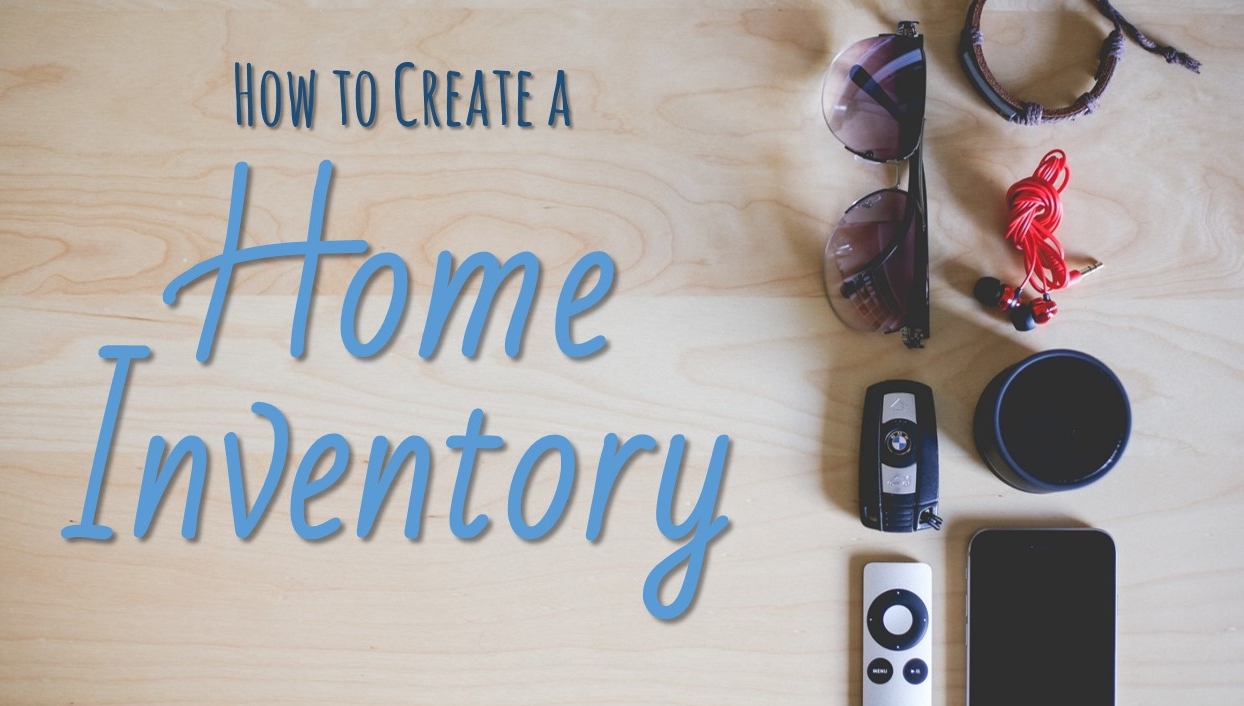
How to Create a Home Inventory
Let’s try a little exercise: List everything you own. From memory (don’t peek!). 

Didn’t think so.


The fact is, most people own more things than they realize. It’s easy to remember the cars, the computer, the TV. But what about that holiday china in the garage?  Or every pair of shoes?

For insurance purposes, all of this “stuff” is considered personal property, whether big or small. And if your home is destroyed by fire or some other disaster, having a list of your possessions takes a lot of the stress out of filing a claim — and helps you put your life back together more quickly and easily.

Why should I complete a home inventory? What’s the best way?

Every home insurance policy has a “contents” limit listed. This is how much coverage you have for your personal property. Comparing the value of your belongings to this limit helps you make sure you have enough insurance to replace them if they are lost, stolen or destroyed as a result of a covered loss. In the past, inventories were usually just long lists of items. But these days, the easiest way to take an inventory is to simply whip out your cell phone or video camera and take a visual tour or your home and belongings. Just walk through your house, recording and describing items as you film them. Or, you can use a regular camera and create a home inventory checklist.

Here are a few tips for completing and storing your inventory: 

  • Add brand names and descriptions where you can, especially on large-ticket items. Serial numbers are helpful to note as well. 
  • Keep any receipts you have with the list to make the claims process easier. You could also keep digital copies by snapping a quick photo of receipts. 
  • Store your video or photo inventory offsite so you won’t lose it if your house is damaged. If you’re creating a digital inventory instead of physical copy, consider storing it on a cloud service so it’s not attached to any particular device that could be damaged. 
  • Update your personal property records when you purchase new furnishings and valuables. Your home inventory may be a constantly changing document, depending on how often you purchase new items and replace old ones. Make sure it never gets too out of date and is not missing any recent large purchases.

Though the task may seem daunting, it’s important to try. Even an incomplete inventory is better than nothing at all. And with technology, the process isn’t nearly as time consuming as it used to be!

How much insurance do I need?

That’s what your independent agent is here for! We can assist you in analyzing your insurance needs and help you decide how to most effectively protect your personal property. 

You should consider full-value coverage, which will pay for the replacement value of your personal belongings. A standard policy typically covers personal property only up to its actual cash value, determined by taking the replacement cost and deducting depreciation, which can be substantial. (For example, a 5-year-old TV is usually worth much less than what it would cost to purchase a new one.)

Finally, remember your homeowners policy covers valuable items such as jewelry, furs, art and antiques, only up to set dollar amounts. If the cost of replacing them exceeds these limits, you may want to purchase scheduled personal property coverage.

You can also take advantage of the home inventory feature on our mobile app

We hope you’ll never need the home inventory, but preparing for the worst can prevent a lot of hassle later! Call us at (616) 897-1515 if you would like help evaluating your coverage needs, or have questions about what your policy covers. We’re here for you!

Don’t miss out on helpful tips and articles like this – join our newsletter today!

Staying Safe During Michigan Tornado Season

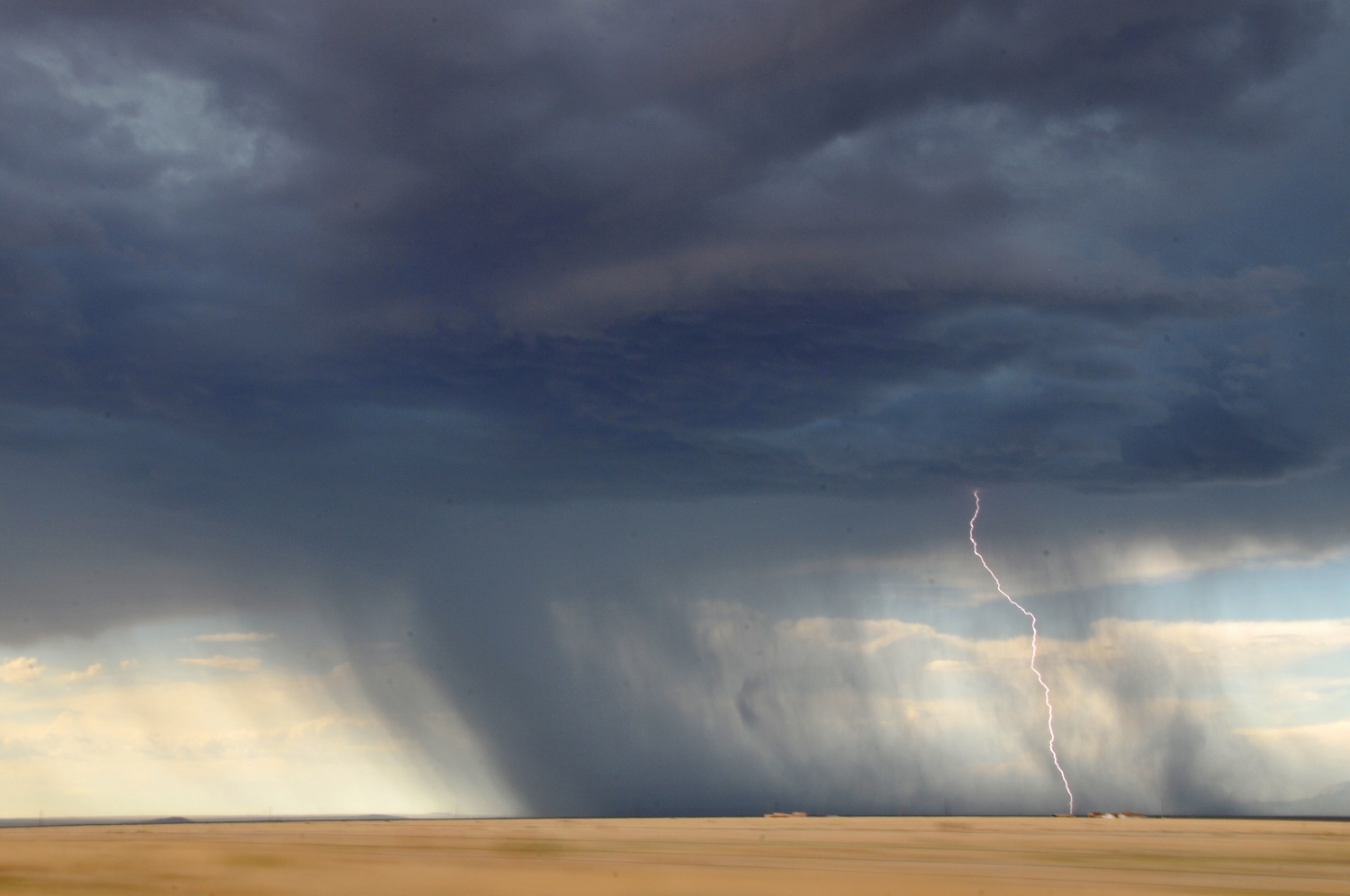
Michigan Tornado SeasonTornadoes are a way of life for families living in tornado alley, but here in Michigan, it’s easy to feel unprepared for these natural disasters since we only experience a few tornadoes per year. But remember, although they are more common in the Great Plains, a tornado can occur almost anywhere. To protect your home and family from tornadoes, educate yourself on the warning signs and when to take cover.


Learn the Warning Signs
Tornadoes strike with very little warning. Over the years, with more advanced science and technology, meteorologists are better able to predict signs that a twister is on its way. Even having just a few minutes warning can provide an opportunity to seek shelter if you’re in harm’s way. If you live in an area with a history of tornadic activity, there may be warning sirens or a digital messaging system in your community to alert residents to find proper shelter immediately.

 Other signs of tornadoes are:

  • Dark greenish skies
  • Dark, rotating, low-altitude cloud
  • Loud roar, like a train 
  • Large hail or heavy rain followed by dead calm or a fast, intense wind shift.
  • Large clouds rushing by quickly overhead or rushing together to form a funnel

Tornado Watch vs. Tornado Warning
When the National Weather Service issues a tornado watch it means conditions are favorable for tornadoes to develop. When under a watch, be alert to changes in the weather, check to be sure all family nearby is safe, and keep the TV and Radio on so you’re able to listen to reports and stay on top of changing storm information.

A tornado watch can give you valuable time to prep your home and surrounding property for a disaster. Take this time to move cars into the garage if possible; you’ll also need to keep car and house keys with you at all times. You could also move lawn furniture and equipment into a garage or shed to minimize flying debris. If you’re not able to utilize a shed or garage you could temporarily move items into the larger rooms of your home. If a tornado siren sounds, stay inside your home and take cover in an interior room away from windows. If you have a storm shelter, move your family into the storm shelter when sirens sound.

A tornado warning means a tornado has already been spotted in your area. This means danger could be imminent and you may only have seconds to take cover. Immediately move to an interior room or storm shelter with your radio. Do not leave the space you’ve taken cover in until an all clear has been issued

Although tornadoes may be less common in Michigan, stay alert during these stormy summer months and make sure you’re prepared for whatever Mother Nature throws at you!

Don’t miss out on helpful tips and articles like this – join our newsletter today!

Top 10 Hottest Collector Cars of the Summer

Top 10 Hottest Collector Cars of the Summer

As the summer driving season begins, Hagerty® announces the ten collector vehicles with the highest levels of demand and momentum. This list includes vehicles with positive value growth and momentum in private sales transactions, quote activity and auction results. “The major trend continues to be the clear emergence of ‘Modern Classics’ from the 1980s and newer with new interest from younger buyers,” said McKeel Hagerty, CEO of Hagerty. “Our data allows us to measure the popularity of collector vehicles not just by value trends but by leading indicators like quote activity, private sales and other factors.” 


1987 Mercedes 560SL1. 1986–1989 Mercedes-Benz 560SL
(1987 560SLs start at $46,300)

Many buyers remember the 560SL as an aspirational car that signaled early career success for their original owners, and the average sale price in the private market is up 22% over the last 12 months.


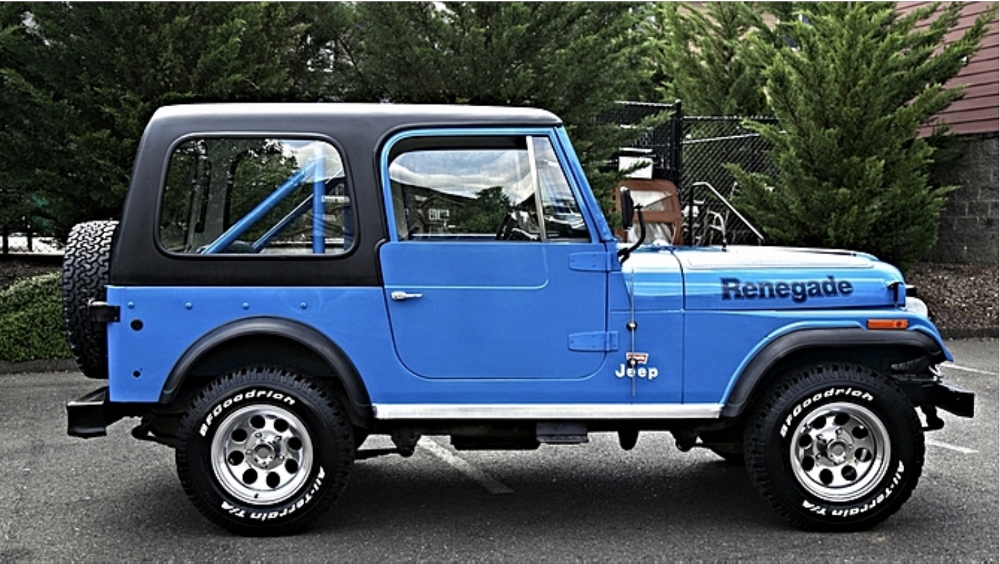
1987 Jeep CJ72. 1973–1986 Jeep CJ-7
(1983 Jeep CJ-7 Laredos start at $12,900)


Jeep and off-roading have long been an American fascination and the CJ-7 remains very popular in 4×4 clubs. The special edition packages such as the “Limited” and “Jamboree Edition” are seeing the most interest, but any flavor can deliver open-air summer fun. Quoting activity has been particularly strong, with an increase of 120% over the past 12 months, indicating rising demand among enthusiasts.


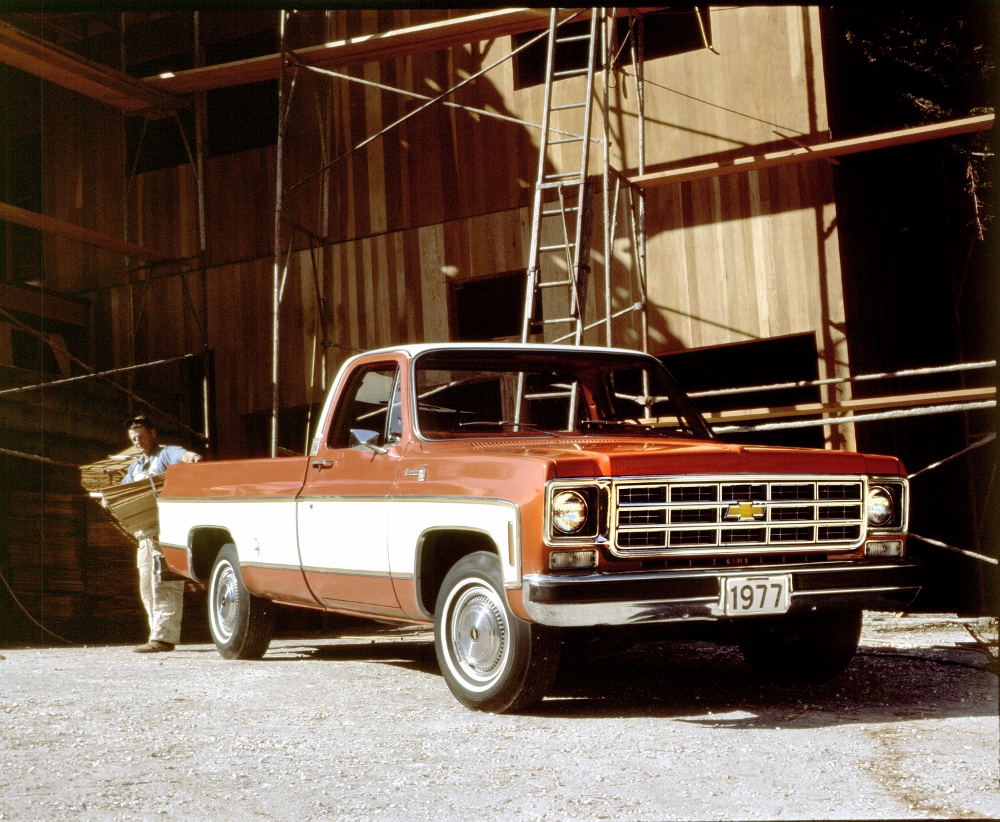
1977 Chevy C-10 Silverado Fleetside3. 1973–1987 Chevrolet C/K Series Pickup
(1973 C10s start at $12,200)

Pickups have been one of the fastest growing segments for the past five years. This is the first time this generation of Chevrolet pickup has outpaced the highly-sought-after 1967–1972 models. Ratings for this era of are being driven via the private sector, with a 9.5% increase in the number offered privately, an 11% rise in average sale price, and more than 38% of the cars selling privately doing so for amounts above their insured values.


1990 BMW M34. 1986–1992 BMW M3
(1990 M3s start at $76,100)

To many, the E30 M3 is the purest sports car from the 1980s. If this is a car you’ve always wanted you probably shouldn’t wait much longer as values are only going one direction. Up. Values published in Hagerty Price Guide have increased 86% over the last 8 months.


1988 Porsche 944 Coupe5. 1982–1991 Porsche 944
(1988 Porsche 944s start at $15,600)


Whether younger buyers are priced out of the 911 market or just looking for something different than the norm, the 944 has recently gained a renewed following. Expect to see many nice low-mile examples come to market in the near future, with pristine Turbos selling for surprising amounts. Hagerty Price Guide values have increased 8% in value over the last 8 months.


2000 Plymouth Prowler6. 1997–2002 Plymouth/Chrysler Prowler
(2000 Plymouth Prowlers start at $32,000)


Once described as a car better to be photographed next to, there is no denying the standout looks of one of the first modern retro cars. Prowlers have been one of the hottest cars at auction over the last 12 months, with a 9% increase in the number offered, a 6% increase in average sale price, and a strong sell-through rate of 72% over the last 12 months.


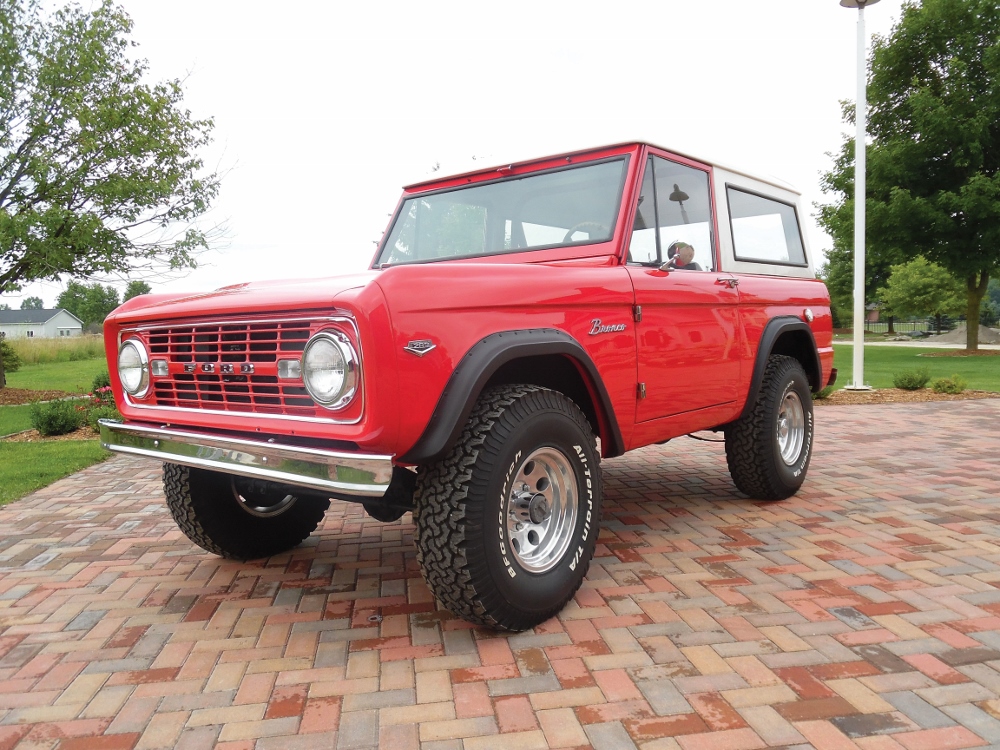
1966 Ford Bronco Convertible7. 1966–1977 Ford Bronco
(1966 Ford Broncos start at $24,800)


Today’s SUV-dominated car culture continues to love the simple utilitarian look of the first generation Bronco. Coupled with excellent reliability and parts availability, the Bronco makes for an excellent first-time collector vehicle. Activity in the private market has been particularly strong for these stylish SUVs.


1997 Ferrari 355 Spider 8. 1994–1999 Ferrari F355
(1997 F355 Spiders start at $68,900)

A true performance car with a fantastic engine sound and great looks. F355 price gains have lagged other Ferrari models over the past five years, which has suddenly made them relative bargains. Hagerty Price Guide values have increased 39% over the last 12 months. The cost of ownership on these cars can be high, though. So make sure to scrutinize service records.


1970 Dodge Challenger9. 1970–1974 Dodge Challenger
(1970 Challengers start at $36,200)


Early ’70s Mopar muscle cars have had the biggest swings in values going back to 2006. After being impacted by the recession they have recovered nicely, and Dodge fans are back to searching out as many “1 of 1” variations as they can find. Challengers have been performing very well at recent auctions, with cars offered up 17% and average sale price up 41% over the last 12 months.


1974 BMW 2002 Tii10. 1968–1976 BMW 2002
(1974 2002 tii’s start at $26,800)


This iconic BMW remains very popular, especially on both coasts. Similar to the other German cars mentioned in this list, Hagerty Price Guide values have been especially strong for 2002s, with an 18% gain over the last 8 months.

Alliances Sponsors 2016 Lowell Little League Team

ALLIANCE SPONSORS 2016 LOWELL LITTLE LEAGUE TEAM

Alliance Insurance is proud to support Lowell Little League through our sponsorship of the 2016 season for the Boys Early Developmental (EDL) Division.

Learn more about Lowell Little League and how to get involved by visiting lllmi.com


Alliance Cares is our initiative for community involvement and charity partnerships. Learn more about how our agency gives back and stays involved in our community!


Alliance Cares is our initiative for community involvement and charity partnerships. Learn more about how our agency gives back and stays involved in our community!


Alliance Cares is our initiative for community involvement and charity partnerships. Learn more about how our agency gives back and stays involved in our community!


Alliance Cares is our initiative for community involvement and charity partnerships. Learn more about how our agency gives back and stays involved in our community!

Common Financial Mistakes Millennials Make

5 Common Financial Mistakes Millennials Make

Millennials are the young adults who were born between the early 1980s and the early 2000s—and they just so happen to be struggling in this tough economy. Why? Because once freshly graduated from college, they were met with slow job growth and heaping piles of student debt. On top of that, many Millennials are making some serious mistakes that may be stunting their financial futures. Here are five of the biggest mistakes that Millennials make.

1. Poor credit card habits: Millennials have the highest credit utilization rates; however, they also struggle to pay credit card bills on time. These two factors combine to report that Millennials have the lowest credit scores across all living generations. To clean up their credit, Millennials must begin paying bills in full and on time, which may require less spending.


2. Poor budgeting: It’s easy to guestimate how much you have to spend on groceries, gas and fun. But truthfully, sitting down and planning out a budget is an enlightening experience for many Millennials. It’s important to know if you’re overspending or if you have money left over at the end of the month that you could save.


3. Insufficient retirement saving: Even though Millennials have reported a desire to retire by age 65, a whopping 70 percent have not begun to save for the occasion. Given the bleak future of Social Security, it’s more important than ever to start saving for retirement at a young age. Participate in your employer’s 401(k) program and/or open an IRA account and make monthly contributions. Setting up automatic monthly transfers is a great way to guarantee that you’re building up your savings; not to mention, if you never see it in your checking account, you never have the chance to miss it.


4. Indefinite renting: Many Millennials have not yet reached a point where they are financially able to own a home. However, some continue to live in an apartment even if they could afford home ownership. Purchasing a home is the best way to build equity, which is a great way to increase your overall worth.


5. Passing on life insurance: Many young adults don’t see the point in owning life insurance. But the truth is that life insurance is much easier—and typically cheaper—to purchase when you’re young and healthy. Even if you’re single without children, life insurance benefits protect your family and any bank account or loan co-signers from your debt in the event of accident or illness.


Taking some time now to plan properly can be extremely beneficial in securing financial success and stability later on down the road. Even in the recovering economy, it’s a good idea to read over these tips and make some changes so that you can climb out of the recession hole and get your finances back on track.


Are you interested in learning more about life insurance? We have a Life Insurance Specialist on staff to answer any questions you might have about getting the protection you need for you and your loved ones. 


Call us today at 616-897-1515
for a free, no-obligation life insurance quote!

Tips for a Successful RV Trip This Summer

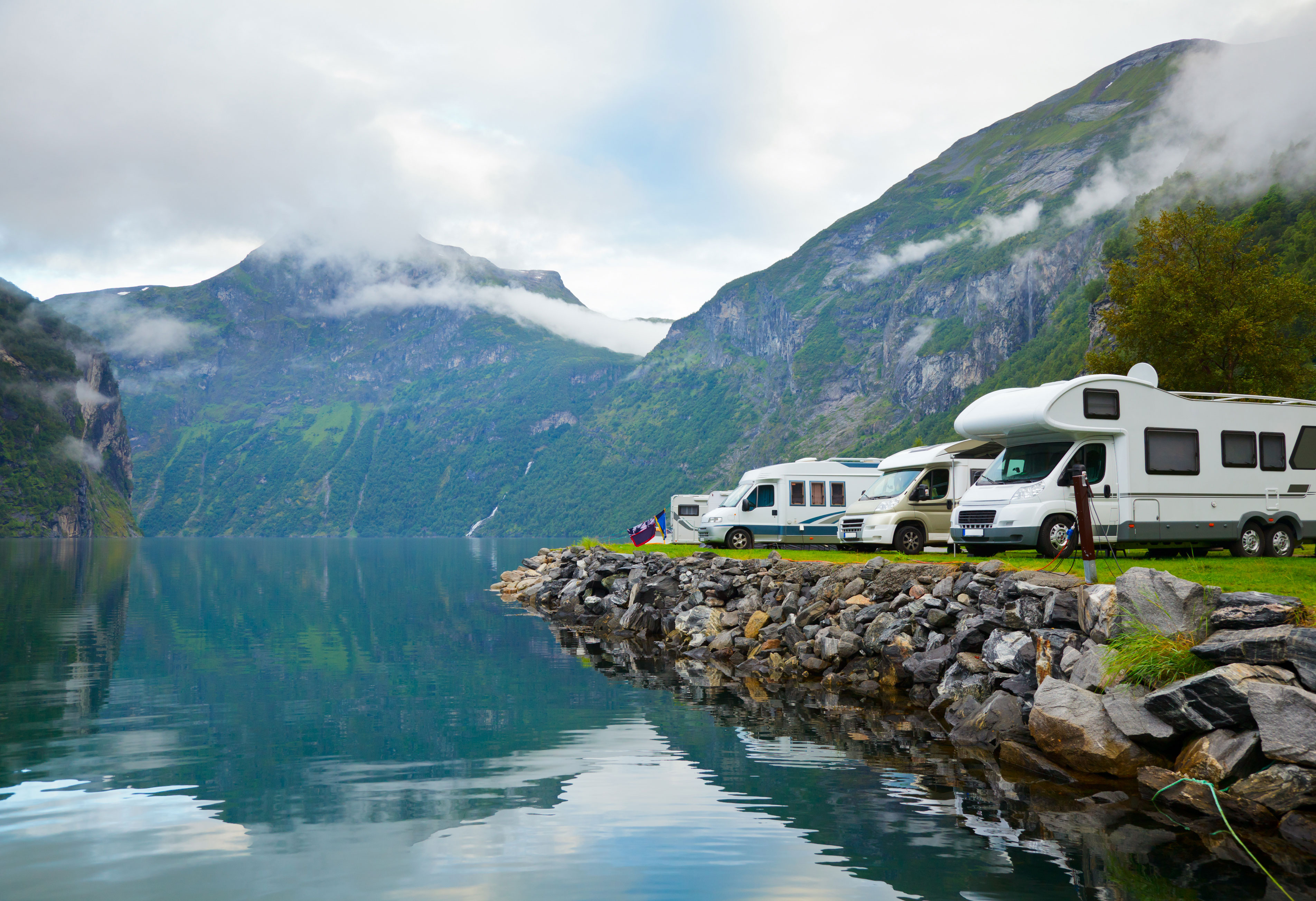
Michigan RV TripPlanning to head out for an RV trip this summer? RV vacations provide an opportunity to relax and enjoy nature. Families with kids often enjoy the ability to explore and hike while sleeping in the comfort of an RV. It is important to keep the following tips in mind so you can enjoy a successful RV trip this summer.

Setting up Camp

Getting your RV set up on your campsite can be a stressful experience. The good news is that after you are set up, your relaxing vacation can begin. First you need to determine if you will pull in or back into your site. Check to see which side of the RV your water, electrical and sewer hookups are on. Check the site for low hanging branches or other obstacles that would cause you an issue. Also, keep in mind the space you will need for any slideouts or awnings, as you will want them to fully extend without interference.

If the ground is not flat, be sure to level your RV using blocks or jacks. And don’t forget to chock the wheels securely once you are in your final location.

Now you are ready to hook up to the electrical receptacle. Check to make sure you are using the one that matches the amperage requirements for your particular RV.

Extend any slideouts and awnings with one person on the outside of the RV verifying no people or objects will interfere with the fully extended set up.

During Camping

Now that the hard work is complete you can enjoy your camping experience. Set up a campfire at a safe distance from your RV. If you have small children create a perimeter around the campfire to let them know how close they can get and always supervise them around the fire. 

If stormy weather arrives, be sure to take cover. Lightening is very dangerous and should be taken seriously. Stay inside until the storm has passed. In addition, if it is windy, consider closing and securing your awning until the storm is over.


Taking Down Camp

If you have entry steps that come out, be sure they are fully retracted before you drive away. Also make sure you have disconnected the electrical and water sources. Slideouts and awnings need to be fully retracted as well. Have someone outside of the RV making sure people and objects are clear before you attempt to back out of the campsite.

Enjoy a wonderful summer of RV trips by following the above tips. In addition, fellow RVers can be very helpful and are often willing to assist, so don’t hesitate to ask your neighbor if you need advice or assistance.

Join our newsletter to make sure you never miss out on more helpful tips and articles like this!

Pump Blues: How to Save Money on Gas

Gas PumpGas prices seem to be in a state of constant flux, but as we’re all painfully aware, the total seems to be higher with every fill. You may be left scratching your head at the price to fill up your tank, wondering how to budget for this necessary evil. Luckily, there are a few easy ways to save money on gasoline.

  • Avoid idling. Time spent idling is still time spent using fuel. Stop-and-go driving can quickly eat away at your gas without getting you very far. When driving, find as many safe ways as possible to turn off your car (at a stoplight, in the drive-through lane, etc.)

  • Avoid rush hour traffic. This goes along with idling. The high amount of vehicles inching along on the highway will cause you to stop-and-start. Not only will this put you in a bad mood, it’s bad for your car and your gas expenses! If you can leave a little earlier from home or a little later from work to beat the rush, it can make a huge difference on your gas bill. It may also be worth it to experiment with alternative routes. Even if a back road takes you a bit farther out of your way, you may still get to your destination faster when you skip the daily traffic jam. 

  • Learn how to coast. Slamming on your breaks at the last possible minute uses fuel, but coasting does not actually engage the gas in your car. So, when you’re approaching a stop light or stop sign, plan accordingly: coast as much as possible to slow down before you apply the brakes. You can let your car coast for a short while before accelerating to saves gas, as well.
  • Don’t drive aggressively. The more you ride that bumper ahead of you, the more likely you’ll have to slam on your breaks or abruptly stop (or worse, rear end someone!). Harsh starts and stops eat up substantially more fuel than smooth acceleration. So give yourself some extra time, and give the driver in front of you some extra space, for the sake of your wallet and your safety.
  • Keep an eye on your fuel levels. Don’t wait until you’re running on fumes to fill up. As a good rule of thumb, once your gas tank is only one-quarter of the way full, stop and get some gas. Or, if you don’t mind stopping more often for gas, try to fill up whenever prices are low (or fit within your budget). Remember: there’s never a bad time to have a full tank of gas. Better safe than sorry!

Join our newsletter to never miss out on more tips like this!

Partner Carriers

  • aaa
  • accident-fund
  • asi
  • blue-cross
  • bristol-west
  • Cincinnati
  • citizens-hanover
  • foremost
  • grange
  • hastings-mutual
  • liberty-mutual
  • metlife
  • michigan-insurance
  • nationwide
  • pioneer
  • priority
  • progressive
  • safeco
  • state-auto
  • the-hartford
  • travelers
  • Universal
  • west-bend
  • wolverine